By Rashida Vapiwala, Founder & CEO, LabelBlind
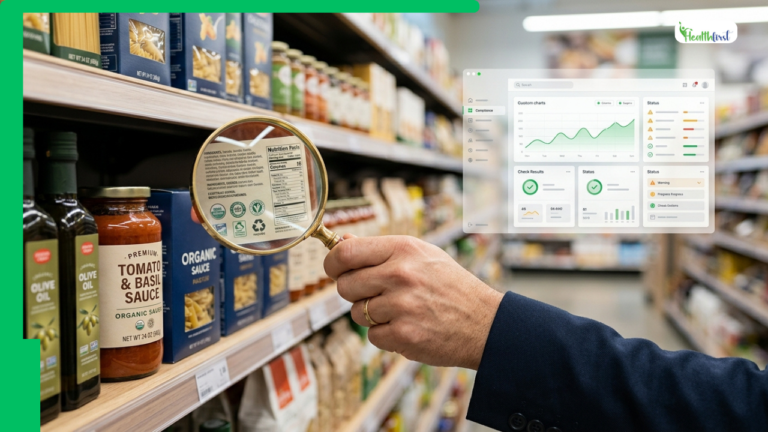
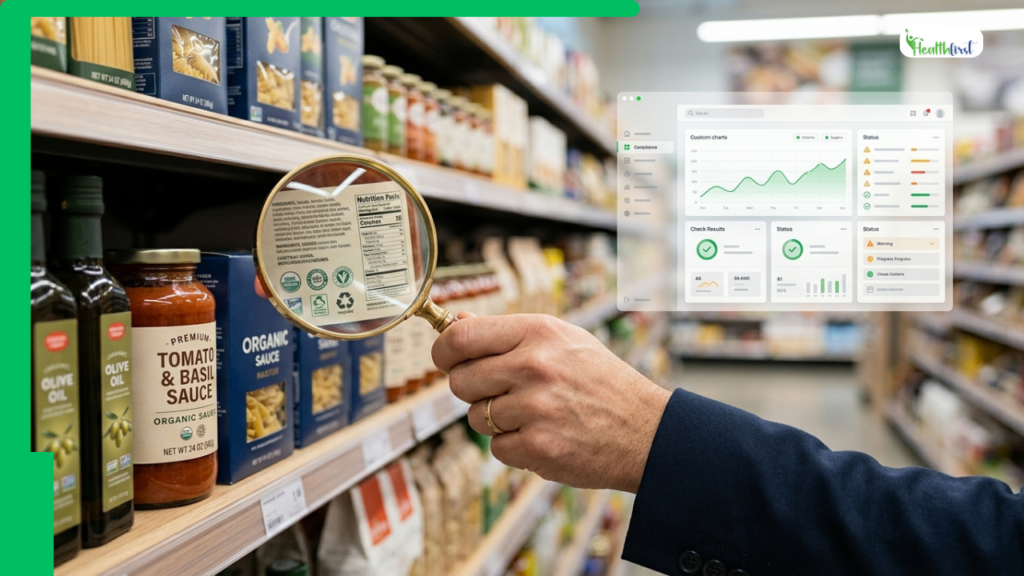
Food labels do more than communicate product details—they function as legal disclosures, health information tools, and indicators of brand credibility. While consumers often scan labels selectively, focusing on a few familiar elements, regulators assess them in totality. Every word, claim, and disclosure is evaluated within defined compliance frameworks.
This difference in interpretation creates a critical gap. What appears acceptable to a consumer at first glance may raise concerns during regulatory review. Within this gap lie subtle red flags—details that are often overlooked in routine checks but can carry significant compliance implications.
1. Ambiguous Health Claims
Terms such as “natural,” “healthy,” or “immune-boosting” are widely used across food packaging. However, these fall under regulated claim categories and cannot be used without appropriate substantiation or linkage to authorised health claims.
Regulators assess whether such claims are truthful, not misleading, and supported by scientifically valid evidence. In many cases, vague or non-specific wording increases the risk of misinterpretation, particularly when no supporting references are provided.
From a compliance perspective, the issue lies in the absence of clarity. Undefined claim language can be interpreted as overstating benefits, which may be considered misleading under labeling and advertising standards. Using clear, specific, and verifiable terminology helps reduce this risk and ensures alignment with regulatory expectations.
2. Misleading “No Added Sugar” Labels
The phrase “no added sugar” is commonly interpreted by consumers as an indicator of overall low sugar content. However, this is not always accurate. Products carrying this label may still contain high levels of naturally occurring or alternative sugars such as fructose or maltose.
Regulators focus on how such claims are perceived at first glance. If the labeling creates a false impression of healthiness, it may be subject to scrutiny. The key concern is whether the claim aligns with the product’s actual composition.
When naturally occurring sugars remain high, additional clarification may be expected to prevent consumer misunderstanding. For businesses, ensuring consistency between labeling language and nutritional content is essential. Any disconnect between the two can raise questions about transparency and intent.
3. Incomplete Ingredient Disclosure
Ingredient transparency is a core requirement in food labeling. However, the use of generic terms such as “spices” or “flavouring agents” can obscure the actual composition of a product.
Regulations typically require ingredients to be declared using specific names or class names, along with their function. In certain cases, additives must also include INS numbers. For example, instead of broad terms, more precise descriptions like “mixed spices (cumin, coriander, turmeric)” or “flavouring substances (nature-identical)” may be required.
Incomplete disclosure not only limits transparency but can also pose risks for consumers with allergies or dietary restrictions. From a regulatory standpoint, such omissions are often flagged as non-compliant. For businesses, adopting standardised and detailed ingredient listings is essential to avoid scrutiny and maintain consumer trust.
4. Highlighting the Positive, Hiding the Negative
Front-of-pack (FOP) claims such as “high in protein” or “rich in vitamins” are permitted under labeling regulations. However, these claims must not present a one-sided view of the product’s nutritional profile.
Regulators evaluate whether such messaging overemphasises positive attributes while downplaying nutrients of concern, including sugar, sodium, or fats. The concern is whether the overall presentation may mislead consumers at a glance.
For consumers, such claims can create a “health halo effect,” influencing purchasing decisions by making a product appear healthier than it actually is. To address this, regulators may expect additional disclosures or clearer nutritional context.
From a compliance perspective, it is important that on-pack messaging reflects the complete nutritional profile rather than selectively highlighting benefits.
5. Non-Compliant Font Size and Label Placement
Label design is not just a matter of aesthetics—it is a regulatory requirement. Critical information such as ingredient lists, nutritional values, and warnings must be clearly visible and easily readable.
When such details are printed in very small fonts or placed in inconspicuous areas, it can violate labeling norms designed to ensure accessibility. Regulators assess font size, contrast, and placement against defined standards.
Even when the information itself is accurate, poor presentation can result in non-compliance. If key details are difficult to locate or read, the label may fail regulatory evaluation.
For businesses, this highlights the importance of integrating compliance requirements into the design process. Clear and accessible layouts not only reduce regulatory risk but also improve usability for consumers.
6. Unverified Certifications and Symbols
Certification symbols such as “organic” or “vegan” play a significant role in influencing consumer decisions. These marks are often interpreted as indicators of quality, safety, or ethical standards.
However, their use is strictly regulated. When such symbols are displayed without valid certification from a recognised certifying body, they can mislead consumers.
Regulators verify both the legitimacy of the certifier and the product’s ongoing compliance with certification standards. Unauthorized or inaccurate use of certification marks is treated as misleading and may invite enforcement action.
For businesses, maintaining valid certification and ensuring continuous compliance is essential—not only to meet regulatory requirements but also to preserve consumer trust and brand credibility.
7. Exaggerated Shelf Life or Storage Claims
Claims related to shelf life, such as “long-lasting freshness,” must be supported by scientific evidence. This typically involves stability data generated under defined storage conditions.
Regulators assess whether such claims are evidence-based and accurately reflect tested product performance. If supporting data is weak, inconsistent, or absent, these claims may be challenged.
For consumers, shelf life claims directly influence perceptions of product safety and usability. Overstated claims can result in products being consumed beyond their actual quality or safety window.
From a compliance standpoint, aligning shelf-life claims with validated data—and providing clear storage instructions—is essential to ensure product integrity and avoid regulatory action.
Also Read: Why Blood Cancers Need More Than One Genetic Test
Conclusion
Food labels operate as structured communication frameworks between manufacturers, consumers, and regulators. Every element—from wording to design—plays a role in shaping how a product is perceived and evaluated.
Accurate and transparent labeling reduces the risk of non-compliance while building long-term consumer trust. As regulatory scrutiny continues to increase, attention to detail in labeling practices becomes increasingly important.
While these red flags may not always be visible to consumers, they remain consistently identifiable during regulatory review—making precision in labeling a critical requirement for businesses.